Strona główna » About Us

About Us

RADISH is built on strong collaborations with leading scientific partners in Poland and internationally. Through these synergies, we are establishing a comprehensive materials database, developing predictive AI tools, and implementing a new methodology for rapid alloy discovery.

By integrating advanced computational and experimental approaches into an iterative, high-speed workflow, RADISH significantly shortens the traditional materials development cycle—from years to months—laying the foundation for next-generation high-temperature technologies.

Our Team

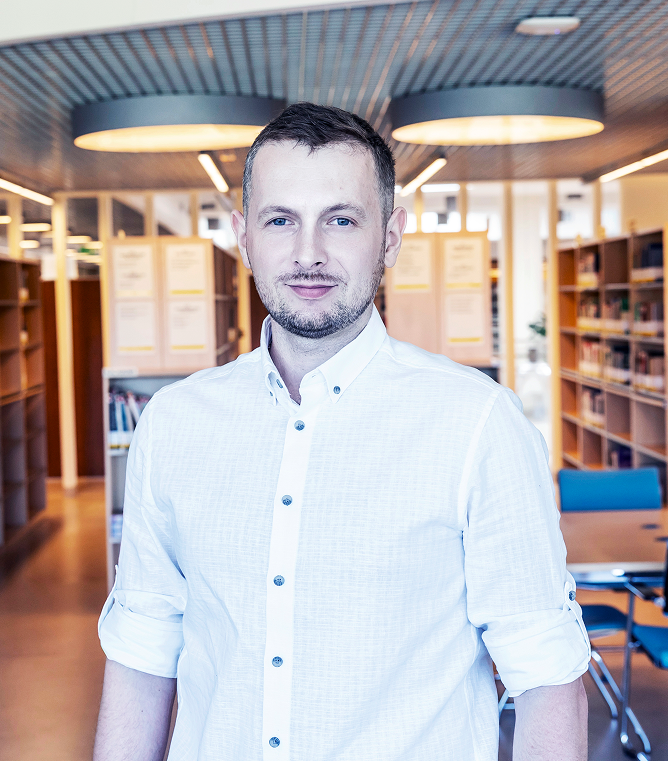
Krzysztof Wieczerzak

790 266 457

k.wieczerzak@prz.edu.pl

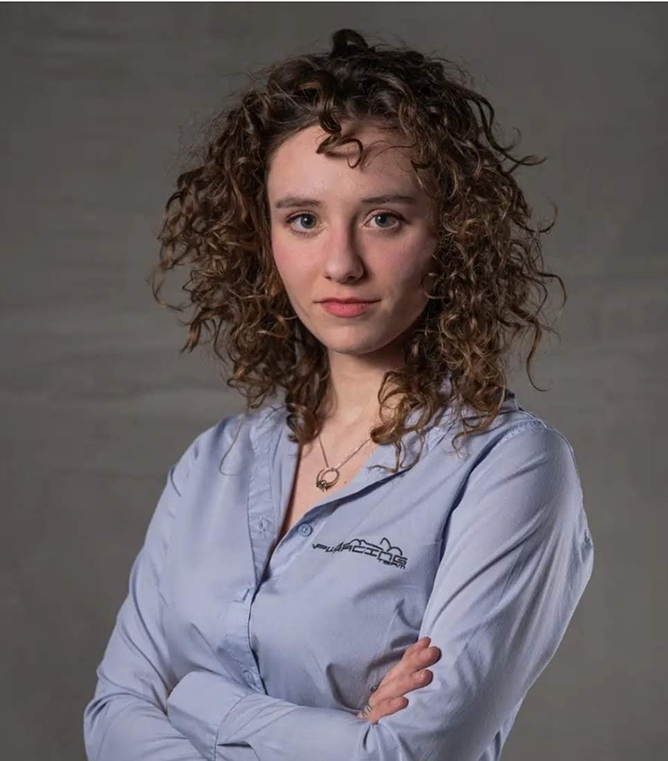
Hanna Szebesczyk

692 025 282

h.szebesczyk@prz.edu.pl

Maria Kanczewska

797 624 548

m.kanczewska@prz.edu.pl

Kacper Kij

790 266 457

k.kij@prz.edu.pl

The RADISH Project

Traditional materials development is slow, costly, and limited to exploring only a tiny fraction of possible compositions. Yet the chemical design space for RCCAs contains billions of potential alloys. RADISH bridges this gap by combining computational modeling, combinatorial synthesis, high-throughput characterization, and machine learning into one powerful discovery pipeline.

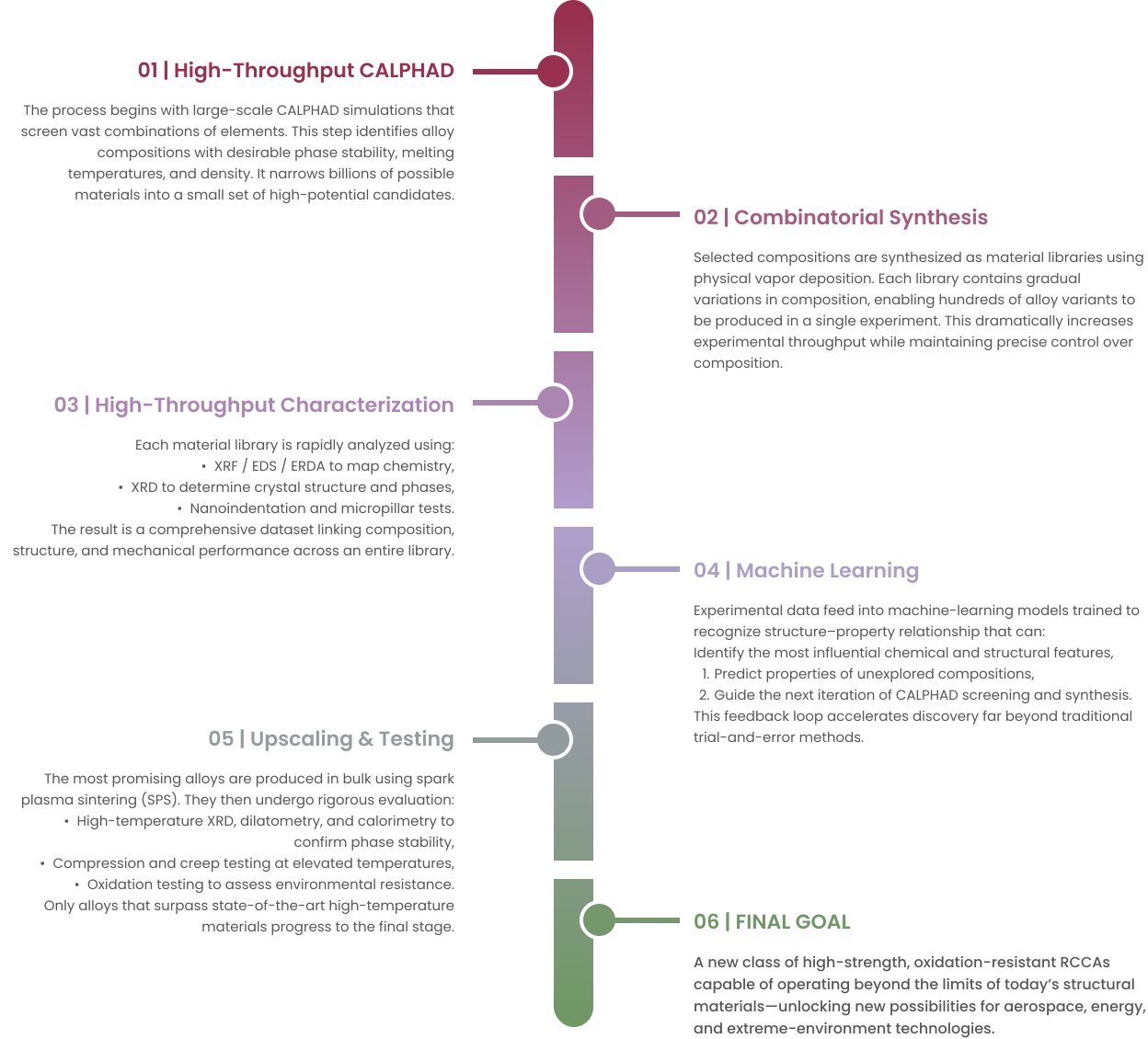
Our workflow integrates:

  • High-throughput CALPHAD simulations to scan vast compositional spaces and pinpoint the most promising alloy regions.


  • Combinatorial material libraries, produced in partnership with leading research institutions, enabling hundreds of compositions to be synthesized in a single experiment.


  • High-throughput characterization (XRF, XRD, ERDA, nanoindentation, micromechanics) to rapidly map structure–property relationships.


  • AI-powered prediction models that learn from experimental data and forecast the behavior of unexplored alloys.


  • Upscaling and high-temperature testing of the top candidates, including spark plasma sintering, phase stability analysis, creep testing, and oxidation resistance at extreme temperatures.


The goal is clear: to discover RCCAs that combine high strength at 1000°C, ductility at room temperature, exceptional oxidation resistance, and reduced density-performance levels unattainable with current engineering materials.
RADISH is built on strong collaborations with scientific partners in Poland and around the world, including Empa, ETH Zürich, Max Planck Institutes, TWI, and leading Polish universities. Together, we are establishing a comprehensive materials database, predictive AI tools, and a new methodology for rapid alloy discovery.

By integrating modern computational and experimental tools into an iterative, high-speed workflow, RADISH dramatically shortens the typical materials development timeline—from years to months—laying the foundation for the high-temperature technologies of the future.

Workflow